The Afghanistan Centre at Kabul University (ACKU) is Afghanistan’s premier research, archival, and knowledge institution dedicated to preserving the nation’s documentary heritage, promoting literacy, strengthening academic research, and expanding public access to knowledge. Rooted in the vision of “nation building through information sharing,” ACKU safeguards Afghanistan’s historical memory while supporting education, scholarship, policy research, and informed public dialogue through its archives, digital collections, publications, and community outreach programs. Afghanistan Center at Kabul University
ACKU envisions an Afghanistan where knowledge, culture, and historical memory are preserved, accessible, and actively used to foster education, research, cultural identity, national reconciliation, and sustainable development. Through the preservation of documentary heritage and the democratization of information, ACKU strives to become the country’s leading center of excellence for archival preservation, digital scholarship, academic research, and lifelong learning, while serving as an internationally recognized hub for Afghan studies. Afghanistan Center at Kabul University
ACKU traces its origins to 1989 when the ACBAR Resource and Information Center (ARIC) was established in Peshawar, Pakistan, to collect, organize, and preserve documents produced during the Afghan humanitarian response. The initiative was envisioned by renowned Afghanistan scholars Louis Dupree and Nancy Hatch Dupree, who recognized that decades of conflict threatened not only human lives but also Afghanistan’s documentary heritage.
Following Louis Dupree’s death in 1989, Nancy Hatch Dupree expanded the collection with a broader vision: preserving Afghanistan’s intellectual and cultural legacy while making reliable information available to researchers, development organizations, universities, and future generations. She described this philosophy as “nation building through information sharing.” Afghanistan Center at Kabul University
As Afghanistan gradually stabilized after 2001, the institution transitioned from a refugee-resource archive into a national research institution. In 2006, ACKU relocated from Peshawar to the Kabul University campus with support from the former Government of Afghanistan, establishing a permanent home for the country’s largest specialized archive on Afghanistan. A purpose-built facility was subsequently constructed and officially inaugurated on 27 March 2013, creating one of the region’s most significant centers for Afghan documentation and scholarship. Afghanistan Center at Kabul University
Today, ACKU houses one of the world’s most comprehensive collections relating to Afghanistan, preserving decades of historical, political, social, cultural, legal, and development documentation while simultaneously producing new knowledge through research, publications, education, and public engagement.
ACKU occupies a unique position among Afghanistan’s academic and cultural institutions.
It serves simultaneously as:
Every year, tens of thousands of researchers, students, academics, journalists, policymakers, and visitors use ACKU’s physical collections, while many more access its digital resources from around the world. Afghanistan Center at Kabul University
The Archive and Library constitute ACKU’s flagship program and the foundation of its institutional identity.
The collections include:
The archive documents Afghanistan’s modern history, humanitarian response, governance, social transformation, archaeology, culture, language, economics, education, public health, environment, and conflict.
Recognizing the fragility of Afghanistan’s documentary heritage, ACKU has become one of the country’s pioneers in archival digitization.
Its preservation work includes:
The digital library significantly expands access for researchers unable to visit Kabul while protecting fragile originals from excessive handling. Afghanistan Center at Kabul University
Among ACKU’s most important digital initiatives is the Afghan Legal Database, supported by the Foundation to Promote Open Society (FOSI), providing searchable Afghan legislation in Dari and Pashto for legal professionals, researchers, students, and policymakers. Afghanistan Center at Kabul University
Perhaps no institution in Afghanistan has played a greater role in safeguarding the country’s documentary heritage than ACKU.
Its preservation efforts include:
By preserving documentary evidence rather than monuments alone, ACKU protects the intellectual foundations of Afghan civilization.
Its collections are indispensable for historians, archaeologists, anthropologists, legal scholars, journalists, development practitioners, diplomats, and policymakers.
The institution therefore contributes not only to cultural preservation but also to national identity, reconciliation, historical accountability, and evidence-based governance.
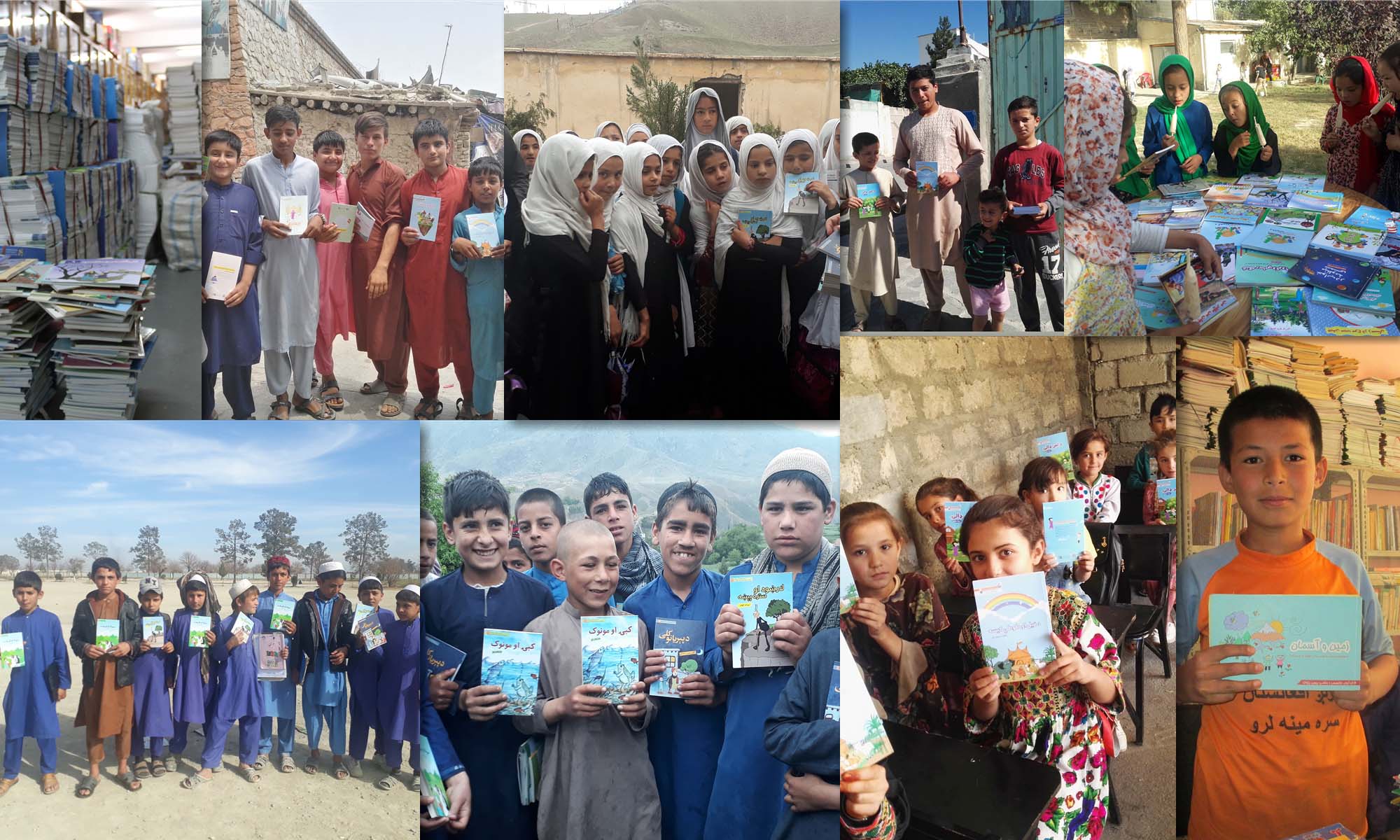
ABLE is one of Afghanistan’s most successful literacy initiatives.
Established in 1996, the program addresses a fundamental challenge: newly literate children and adults often lose literacy skills because reading materials are unavailable.
ABLE responds by:
Achievements include:
ABLE has received national recognition, including the Bibi Gul Literacy Prize, and its publications have been acknowledged by the Afghan Ministry of Education, UNESCO, USAID, The Asia Foundation, and other organizations as valuable supplementary literacy resources. UNESCO Institute for Lifelong Learning
ACKU has produced hundreds of educational and informational publications.
Its publications include:
Nearly all educational materials are written by Afghan authors in Dari and Pashto, ensuring cultural relevance and accessibility. UNESCO Institute for Lifelong Learning
ACKU has become a leading platform for Afghan scholarship.
Its Research and Communication Program supports:
The program particularly emphasizes strengthening the capacity of young Afghan researchers through workshops and mentoring.
Research themes include:
ACKU also collaborates with international universities on research projects, including partnerships with City, University of London on migration research. Afghanistan Center at Kabul University
ACKU functions as an active intellectual and cultural venue.
Its facilities regularly host:
These events provide opportunities for Afghan scholars to engage with international researchers while encouraging interdisciplinary collaboration and public discussion on Afghanistan’s history, culture, governance, and development. (Afghanistan Center at Kabul University)
Throughout its history, ACKU has collaborated with numerous governments, universities, embassies, and international organizations.
Notable partners and supporters include:
Public information also documents collaborations with organizations such as Swisspeace, the Goethe-Institut, and other international cultural and research institutions through conferences, dialogue events, research exchanges, and public programming, although these partnerships have generally been project-specific rather than permanent institutional programs. UNESCO Institute for Lifelong Learning
Because of its reputation as Afghanistan’s principal knowledge institution, ACKU has welcomed a broad spectrum of visitors, including:
The institution is widely regarded as an essential destination for anyone undertaking serious research on Afghanistan.
Over more than three decades, ACKU has become far more than a university library.
It has evolved into:
Its integrated model of archival preservation, digitization, literacy promotion, research, publishing, and public engagement has positioned ACKU as one of Afghanistan’s most significant cultural and educational institutions. In preserving the documentary record of the nation while cultivating new generations of readers and researchers, ACKU continues to strengthen Afghanistan’s intellectual resilience and ensure that its history, culture, and collective memory remain accessible for generations to come.